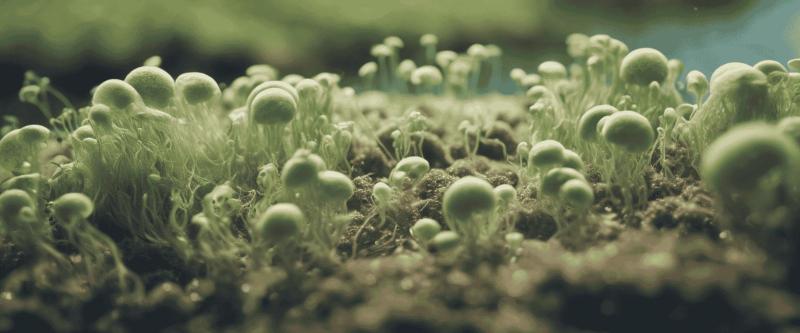
What exactly is Algae?
Well, it’s that green and sometimes slimy stuff you might see floating in the ocean or perhaps clinging to rocks by the waterside. But don’t be fooled by its humble appearance! Algae plays a vital role in ecosystems, acting as a major oxygen producer and providing food for numerous marine animals.
Now, let’s dive into something even more exciting – algae protein! Yes, you read that right. Algae isn’t just for fish and seaweed snacks anymore. With the rise of plant-based diets, algae protein is emerging as a powerhouse ingredient that could revolutionize the way we eat and live.
Understanding Algae Protein
What is Algae Protein?
Algae protein is extracted from microalgae, which are microscopic algae found in both freshwater and marine systems. It’s surprisingly rich in proteins, containing all essential amino acids. Some species boast a protein content of over 50%, making them a fantastic source of nutrition.
Comparison to Other Plant-Based Proteins
How does algae protein stack up against plant friends like soy and pea proteins? Unlike legumes, algae protein doesn’t require fertilizers or pesticides, making it greener (pun intended) and efficient in terms of land use. And when compared to animal-based proteins, it leaves a much smaller carbon footprint. Algae wins for the earth!
The Benefits of Algae Protein
- Nutritional value: Packed not just with proteins but also vitamins, minerals, and antioxidants. Your future self will thank you!
- Environmental impact: It’s a sustainable powerhouse that needs minimal resources.
Harvesting and Production
Methods of Algae Cultivation
Algae can be grown in open ponds basking in bright sunlight or in high-tech closed systems known as photobioreactors. These systems are like sun tanning beds for algae.
Harvesting Techniques
After cultivation, we need to separate the algae from water. This can be done using mechanical separation (think big sieve) or chemical methods to ensure no algae gets away.
Processing and Extraction
Once harvested, algae undergoes processing techniques like extrusion or spray drying to isolate the precious protein. Fancy stuff for something that floats around in water!
Applications of Algae Protein
Food Industry
Algae protein is already making waves in foods as a meat and dairy substitute. It’s also used as a functional ingredient to fortify food products with extra nutrients.
Nutrition
Taking your vitamins? Look out for algae protein in your supplements, bolstering your diet with proteins and essential nutrients.
Industrial Applications
Beyond the plate, algae protein plays a role in biofuels, cosmetics, and personal care products. Did someone say algae-based shampoo? Shine on!
Pharmaceuticals
Algae protein is even finding a place in pharmaceuticals, used as active ingredients or in innovative delivery systems for medicines.
Environmental Impact of Algae Protein
One might say algae protein is the little green hero the planet needs. Cultivating algae protein contributes to reduced carbon emissions and requires a fraction of resources compared to traditional farming methods. It’s like a breath of fresh ocean air!
The login process is so fast and I never have issues accessing my account. Really impressed with the service at 6jililogin.
Whenever the main site is down, this alternative link saves the day. Very reliable and keeps me in the game without any interruptions. Use mpocashlinkalternatif.
Best place for quick access to my favorite games. No hassle and the loading speed is impressive. ezjililogin is the way to go.