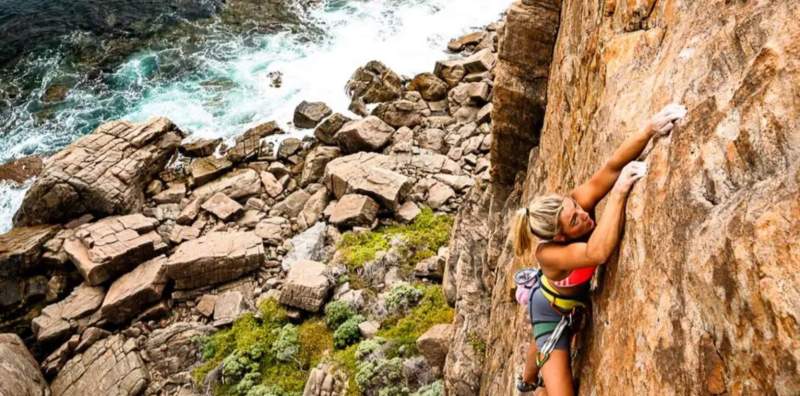
Coastal rock climbing is the latest fitness trend to hit the beaches and rocks of your favorite seaside destinations. Beyond the picturesque ocean views and the sound of crashing waves, coastal rock climbing offers a thrilling fitness adventure that strengthens both body and mind.
Why is coastal rock climbing the ultimate workout? Not only does it provide a full-body workout, but it also challenges your mind, offering a blended approach to fitness that’s both invigorating and rewarding.
Benefits of Coastal Rock Climbing
Physical Fitness
- Cardiovascular health: Scaling rocks isn’t just about muscles; it gets your heart pumping and increases your cardiovascular endurance.
- Muscle development: Climbing engages muscles you never knew you had—hello, biceps, triceps, and core!
- Balance and coordination: Maneuvering on the rocks will have you channeling your inner tightrope walker.
Mental Health
- Stress relief: Who can stress about emails when you’re dangling 50 feet above the ocean?
- Increased confidence: Rock climbing builds self-esteem as you conquer heights you thought were impossible.
- Problem-solving skills: Each climb is a puzzle, challenging your mental agility as well as your physical prowess.
Getting Started with Coastal Rock Climbing
Gear and Equipment
- Safety gear: Make sure you have a helmet, harness, and ropes for a safe climbing experience.
- Climbing shoes: Because slipping is only cute in romcoms, not on rocks.
- Chalk bags: Keep your hands dry and grip strong with climbers’ chalk.
Finding a Suitable Location
- Popular coastal climbing spots: Research local coastal cliffs that are climbing-friendly.
- Safety guidelines for beginners: Always check for weather changes, and be mindful of the tides and wildlife.
Techniques and Skills
Basic Climbing Techniques
- Footwork: Master the art of placing your feet with precision to conserve energy.
- Hand positioning: Grip it like you mean it, but don’t overdo it. Learning the right pressure is key.
Advanced Techniques
- Bouldering: Short, tough climbs without harnesses are perfect for testing your limits.
- Sport climbing: Focuses on using permanent anchors fixed to the rock for progression.
- Traditional climbing: Placements and removable gear make for a classic climbing challenge.
Mental Preparation and Strategy
- Setting goals: Start with small, achievable goals and work your way up to the big walls.
- Managing fear and anxiety: Learn breathing techniques and visualize your route to calm your nerves.
- Staying hydrated and fueled: Keep those energy levels up by drinking water and snacking on healthy treats.
Safety First
- Always use a belayer: Two’s company when climbing. Always have a trusted partner help belay you.
- Always inspect your gear: A healthy paranoia about your gear’s condition is a good thing.
- Know your limits and communicate: Let your climbing partner know when you’re feeling exhausted or overwhelmed.
Join a Climbing Community
- Benefits of joining a climbing gym or club: Better technique, discount on gear, and a pool of buddies who share your passion.
- Building connections and friendships: Find your tribe among fellow climbers who can support and inspire you.
Conclusion
With benefits ranging from improved physical health to enhanced mental well-being, coastal rock climbing is a fantastic way to challenge yourself and experience the outdoors in a new and exciting way. For beginners, remember the importance of safety, proper gear, and community support. So why wait? Grab your gear, find your nearest coastal wall, and start climbing toward new heights in fitness and fun!
I’ve tried a few platforms lately and this one really stands out. The interface is smooth and the payouts are surprisingly fast. Definitely worth checking out phuujili